
Peridot: The August Birthstone — Meaning, Properties & Buying Guide
May 06 2015 0 Comments Tags: august birthstone, birthstone, gemstone information, green gemstones, loose gemstones, natural gemstones, peridot, peridot buying guide

We're well into August — and that means it's time to celebrate the birthstone of the month: the vivid, volcanic-born peridot. Known for its signature olive-green glow and extraordinary origins (including outer space), peridot is a favourite among jewellery designers, gem collectors, and August babies alike. This guide covers everything you need to know — from its meaning and geology to buying tips and care advice.
What Is Peridot? The August Birthstone Explained
Peridot (pronounced PEAR-ih-doe or PEAR-ih-dot) is the gem-quality variety of the mineral olivine, an iron magnesium silicate. It is one of the few gemstones that occurs in only a single colour — green — with the exact shade ranging from yellow-green to deep olive, determined by its iron content. The higher the iron, the deeper and more saturated the green.
As the official August birthstone, peridot is associated with strength, clarity, and positive energy. It is also the traditional gemstone for 16th wedding anniversaries.
What Does the Word "Peridot" Mean?
The etymology of peridot is still debated by linguists. The Oxford English Dictionary suggests it may derive from the Anglo-Norman pedoretés (a term once used for opal). A widely accepted alternative links it to the Arabic faridat, meaning "gem" — and historically it was nicknamed the "poor man's emerald." Over the centuries, peridot has also been called chrysolite (from the Greek for "gold stone") and olivine, referencing its characteristic hue.
Where Is Peridot Found? Origins & Mining Locations
Peridot gemstones form deep within the Earth's mantle and are brought to the surface through volcanic and tectonic activity — making them one of the few gemstones of truly mantle origin. Historically, the volcanic island of Zabargad (St. John's Island) in the Red Sea was one of the earliest known sources, mined as far back as 1500 BCE.
Today, major peridot deposits are found in:
- Arizona, USA — the world's largest producer, particularly on the San Carlos Apache Reservation
- Pakistan — notably the Sapat Gali deposit, discovered in the 1990s, which produces some of the finest large crystals
- Brazil, Myanmar, China, Ethiopia, and Vietnam
Fascinatingly, peridot is also found in outer space — embedded in rare stony-iron meteorites called pallasites. The Hambleton meteorite, auctioned in Edinburgh in 2013, is famous for its peridot crystal inclusions. NASA has also detected olivine in comet dust and on Mars.

Gemological Properties of Peridot
Understanding peridot's physical and optical properties helps both buyers and designers make informed decisions.

- Mineral Group: Olivine
- Chemical Formula: (Mg,Fe)₂SiO₄
- Crystal System: Orthorhombic
- Hardness (Mohs): 6.5 – 7
- Density (SG): 3.27 – 3.37
- Refractive Index: 1.654 – 1.690
- Birefringence: 0.035 – 0.038
- Lustre: Vitreous
- Transparency: Transparent to translucent
- Fluorescence: None
How to Identify a Peridot
Key identifying features of peridot include:
- Distinctive olive to lime green colour (no other colour varieties exist)
- Strong double refraction — visible as a doubling of back facets under magnification
- No resistance to acid (avoid contact with household cleaners)
- Occasional chatoyancy (cat's eye effect) in rare specimens
- Known for four-ray asterism in exceptional rarities
- Typical inclusions: lily pad inclusions, disc-shaped stress fractures around crystals
How to Buy Peridot Gemstones: The Four Cs
When shopping for a natural loose peridot gemstone, apply the same Four Cs framework used for other precious stones:
- Colour: The most prized peridots display a vivid lime to olive green with no brown or yellow undertones. Stones from Pakistan and Myanmar tend to have the purest, most saturated greens.
- Clarity: Eye-clean peridots are widely available. Some may show minor inclusions under magnification — this is normal and does not significantly affect value at lower grades.
- Cut: Peridot is commonly faceted in round, oval, emerald, cushion, pear, and Asscher cuts. Its strong birefringence rewards well-proportioned cuts that maximise brilliance.
- Carat Weight: Smaller peridots (under 5ct) are affordable and abundant. Stones over 10 carats are rare and command premium prices.
Peridot is generally not treated or enhanced, making it a favourite among collectors of untreated natural gemstones. Beware of imitations made from synthetic spinel, green glass, or demantoid garnet.

Famous Peridots in History
One of the largest known faceted peridots weighs 310 carats and is on display at the Smithsonian Institution in Washington, D.C. Arizona has yielded stones up to 22 carats, and most faceted peridots on the market range from 6mm to 13mm in size.
Peridot in History and Mythology
- Ancient Egyptians mined peridot from Zabargad as early as 1500 BCE, calling it the "Gem of the Sun." They believed it protected against nightmares and evil spirits.
- Cleopatra's famous "emeralds" may have actually been peridots — a mix-up that persisted for centuries.
- The stone is referenced in the Bible as pitdah (one of the twelve stones on the High Priest's breastplate) and was used in Catholic bishop rings alongside amethyst.
- During the Crusades, peridot was brought to Europe and used to adorn churches, including Cologne Cathedral.
- Napoleon gifted Joséphine peridot as a symbol of his undying admiration.
How to Care for Peridot Jewellery
With a Mohs hardness of 6.5–7, peridot is durable enough for everyday wear but requires some care to maintain its brilliance:
- Avoid sudden temperature changes — thermal shock can cause fracturing. Avoid steam cleaners and ultrasonic baths.
- Clean gently with warm soapy water and a soft cloth or brush. Rinse thoroughly and dry immediately.
- Store separately from harder gemstones (sapphires, diamonds, rubies) to prevent surface scratches.
- Avoid acids — peridot has no resistance to acidic substances, including some perfumes and household cleaners.
- Avoid tension ring settings or high-pressure prong styles that may stress the stone.
Why Peridot Is Perfect for Jewellery Design
Peridot's fresh, versatile green makes it ideal for a wide range of jewellery styles — from minimalist fine jewellery to bold statement pieces. Its availability in calibrated sizes and matched sets makes it especially popular with jewellery designers. Common applications include:
- Earrings, rings, and matching sets
- Necklaces, bracelets, and brooches
- Men's cufflinks, tie pins, and pendants
- Bespoke August birthstone jewellery commissions
Its warm green glow is flattering on most skin tones and pairs beautifully with yellow gold, rose gold, and sterling silver settings.
Related Gemstones to Explore
Peridot is the gem variety of olivine, composed of fayalite and forsterite end-members. Historically, the term chrysolite was applied to several green gems that are now classified separately. If you love peridot's green palette, you may also enjoy:
- Tourmaline — available in an extraordinary range of greens, from mint to forest, as well as the rare neon Paraíba tourmaline
- Imperial Topaz — a warm, golden-orange Brazilian gem with exceptional brilliance
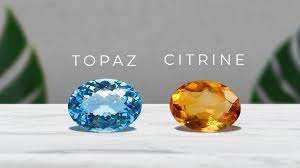
- Blue Topaz — a popular, affordable alternative for cool-toned jewellery designs

Buy Natural Loose Peridot Gemstones Online
Looking to buy peridot online? At Gemstones Brazil, we offer ethically sourced natural loose peridot gemstones in calibrated sizes and a variety of shapes — including round, oval, cushion, and pear — perfect for bespoke jewellery design or adding to your collection.
Whether you're a professional jewellery maker, a gemstone enthusiast, or searching for the perfect August birthday gift, peridot offers exceptional beauty, fascinating provenance, and outstanding value.
0 comments


Leave a Comment